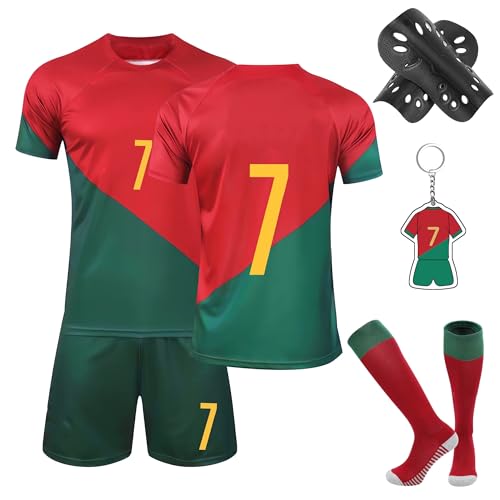
Exploring the Leading Sporting Kit Choices for Athletes in 2026
As we look towards 2026, the world of sports is undergoing rapid changes in technology and design. Athletes are not only seeking performance-enhancing gear but also equipment that aligns with their values of sustainability and durability. This article delves into the leading sporting kit choices that are set to dominate the market in 2026, focusing on their innovative features and how they cater to the evolving needs of athletes.
Performance Apparel
Performance apparel remains at the forefront of sporting kit choices for athletes. In 2026, we expect to see a significant rise in the use of smart textiles that monitor physiological metrics such as heart rate, temperature, and sweat levels. Brands like Nike and Adidas are investing heavily in this technology, allowing athletes to gain real-time feedback on their performance. These advancements enable athletes to tailor their training regimens more effectively, ultimately leading to improved performance outcomes.
Moreover, the integration of moisture-wicking and temperature-regulating fabrics will enhance comfort during intense training sessions. The trend towards lightweight and breathable materials continues to grow, with manufacturers exploring new blends that offer both durability and flexibility. For instance, the use of recycled materials in performance wear not only reduces environmental impact but also attracts eco-conscious athletes.
Footwear Innovations
Footwear is another critical component of an athlete's kit, and in 2026, we anticipate groundbreaking innovations. The focus will be on enhancing grip, comfort, and responsiveness. New technologies such as 3D printing are revolutionising the way shoes are made, allowing for customised fits that cater to individual foot shapes and preferences. Brands are beginning to offer bespoke options, where athletes can personalise their footwear according to their unique biomechanics.
People Also Look For:
- Pokemon Girls T-Shirt & Shorts Set | Kids Tie Dye Short Sleeve Graphic Tee & Purple Cycling Shorts Complete Outfit | Pikachu Jiggl...
- TECHFUN Waterproof Gloves for Men Women Cycling Gloves Winter Warm Touch Screen Gloves Outdoor Sports Water Resistant Anti Slip Th...
- Hikewin Kids Football Kits Boys Girls Sports Uniform Jerseys Kit Activewear Soccer Jersey Set Red 8-9Years
- Kids Football Kits, Personalised Football Shirt with Name Number, Training Shirts Shorts and Socks Set, Gifts for Boys Men
- Topwolve Running Shoes Women\'s Cushion Walking Trainers Lightweight Breathable Mesh Athletic Sneakers Ladies Sports Tennis Shoes,...
Furthermore, advancements in cushioning technologies will provide better shock absorption and energy return, benefiting long-distance runners and athletes involved in high-impact sports. Companies like Puma and Under Armour are leading the charge in developing shoes designed for specific sports, ensuring that athletes have the best possible equipment for their performance needs.
Protective Gear
Safety is paramount in sports, and thus protective gear continues to evolve. In 2026, we will see enhanced protective equipment that not only meets safety standards but also incorporates advanced materials for improved performance. Innovations in lightweight composites and impact-resistant materials will make protective gear more comfortable while ensuring maximum protection.
Sports such as rugby and American football are particularly focused on improving headgear and body protection, with research into concussion prevention leading to the development of smarter helmets that can assess impact severity. Additionally, the integration of wearable technology into protective gear will allow athletes to monitor their physical state during games, helping prevent injuries before they occur.
Accessories and Gadgets
As the digital world continues to merge with athletics, the demand for accessories and gadgets is on the rise. In 2026, we can expect to see a plethora of fitness trackers, smartwatches, and performance monitoring devices that offer unprecedented insights into training and recovery. These devices will not only track physical activity but will also provide tailored training programmes based on individual data. Companies like Garmin and Fitbit are expected to introduce more advanced features that cater to athletes' specific needs, such as altitude training metrics and recovery time assessments.
The rise of augmented reality in sports training is also noteworthy, with devices that allow athletes to visualise performance metrics in real-time during their workouts. Such technologies are set to enhance training experiences, making them more engaging and informative. The incorporation of social aspects, where athletes can share their progress and compete with others in virtual environments, will further motivate individuals to push their limits.
Sustainability in Sporting Kits
In recent years, sustainability has become a significant concern for athletes and consumers alike. By 2026, the push for environmentally friendly sporting kits will be more pronounced than ever. Brands are increasingly focusing on sustainable practices, from sourcing materials to manufacturing processes. The use of recycled plastics in clothing and footwear manufacturing is just the beginning. We can expect to see more brands adopting circular economy principles, where old gear is repurposed into new products, reducing waste and encouraging responsible consumption.
As athletes become more aware of their environmental impact, they will seek out brands that align with their values. The demand for transparency regarding manufacturing processes and materials used will shape the market, compelling companies to invest in sustainable practices. This trend towards eco-friendly sporting kits is not just a passing fad; it is becoming an essential aspect of athletic identity and pride.
As we continue to explore the leading sporting kit choices for athletes in 2026, it becomes clear that the integration of technology, performance, and sustainability will shape the future of athletic gear. The coming years promise exciting developments that will redefine how athletes train, compete, and connect with their sport.